
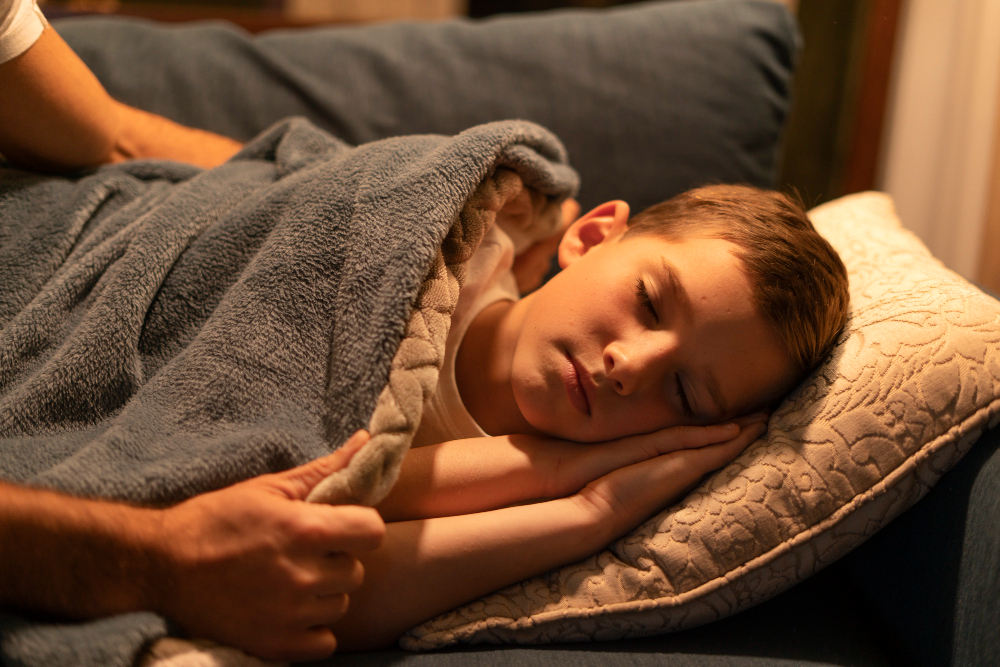
Sleep is essential for every child’s health and growth. But how much sleep do children really need? Many parents wonder about the right amount of rest for their kids. Getting enough sleep helps children learn, grow, and stay healthy. In this blog, we will explore children’s sleep requirements, healthy sleep for kids, and pediatric sleep guidelines. Let’s find out what experts recommend for your child’s best rest.
Recommended Sleep Durations by Age Group
Children need different amounts of sleep as they grow. According to the US Centers for Disease Control and Prevention (CDC) and other experts, here are the recommended sleep hours for each age group:
As you can see, younger children need more sleep than older kids or teens. However, every child is unique. Some may need a bit more or less sleep than these guidelines suggest.
Signs of Sleep Deprivation in Children
Sometimes, it is not easy to tell if a child is getting enough sleep. Still, there are clear signs to watch for. If your child shows these signs, they may need more rest:
For example, if your child is cranky or struggles to focus, lack of sleep could be the cause. Early signs can help you make changes before sleep problems get worse.
Health Benefits of Adequate Sleep for Children
Getting enough sleep is not just about feeling rested. In fact, healthy sleep for kids brings many benefits:
Moreover, children who sleep well are less likely to get sick. They also do better in school and have more energy for play and activities.
Tips for Establishing Healthy Sleep Habits
Building good sleep habits can help your child get the rest they need. Here are some simple tips to try:
With these steps, your child can fall asleep faster and wake up feeling refreshed. Consistency is key for healthy sleep for kids.
When to Seek Medical Advice
Sometimes, sleep problems need a doctor’s help. If your child has trouble falling asleep, wakes up often, or snores loudly, it may be time to talk to a pediatrician. Also, if sleep issues affect your child’s mood, schoolwork, or health, seek advice. Early help can prevent bigger problems later on.
In summary, knowing how much sleep children really need is important for their health and happiness. If you have concerns about your child’s sleep, consult your pediatrician for personalized sleep recommendations for your child.