
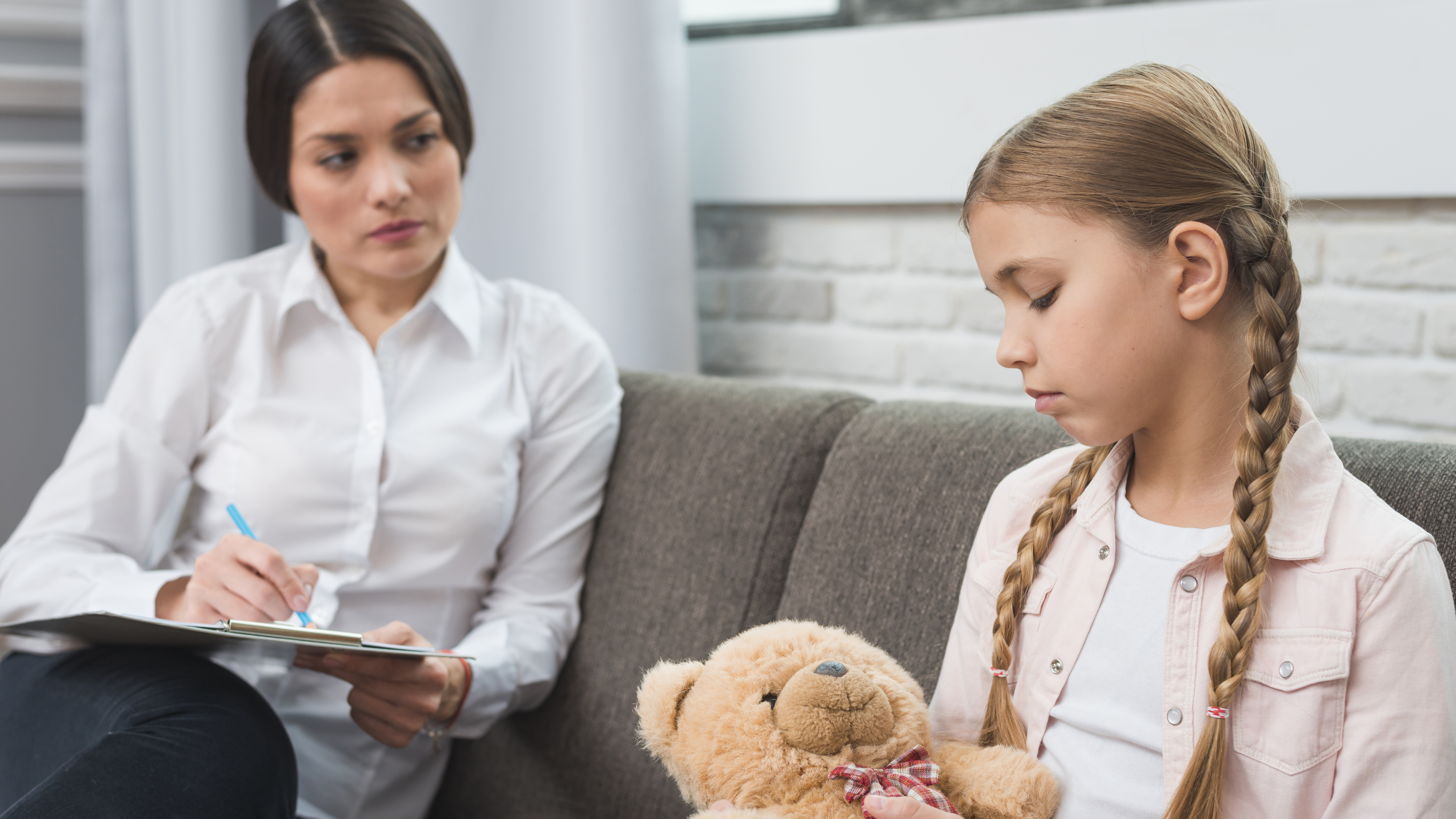
Introduction to Child Mental Health
Every child deserves to feel happy and safe. However, sometimes children face mental health challenges. Identifying child’s mental health early can help them get the support they need. Parents and caregivers play a key role in spotting changes. In this blog, you will learn how to recognize mental health issues in children, what signs to look for, and when to seek help for child mental health.
Common Signs of Mental Health Issues in Children
Children may not always express their feelings with words. Instead, they often show signs through their actions or mood. For example, a child who was once cheerful may become quiet or withdrawn. Here are some common child mental health signs to watch for:
Although some changes are normal as children grow, ongoing or severe symptoms may signal a problem. Therefore, it is important to notice patterns and changes over time.
Causes and Risk Factors
Many things can affect a child’s mental health. For instance, family history, stressful life events, or even physical health problems can play a role. Below are some common causes and risk factors:
However, not all children with these risk factors will develop mental health problems. Early support can make a big difference.
How Mental Health is Diagnosed in Children
Diagnosing mental health issues in children is a careful process. First, a doctor or mental health specialist will talk with you and your child. They may ask about your child’s behavior, feelings, and daily life. Sometimes, teachers or caregivers are also involved. Next, the specialist may use checklists or questionnaires. These tools help them understand your child’s needs. In some cases, they may suggest seeing other health professionals. Early diagnosis can lead to better outcomes.
When to Seek Professional Help
It is normal for children to have ups and downs. However, you should seek help if you notice:
Additionally, trust your instincts. If you feel something is not right, reach out to a pediatrician or mental health specialist. Early help can prevent problems from getting worse.
Tips for Supporting Your Child’s Mental Well-being
Supporting your child’s mental health starts at home. Here are some simple tips:
Moreover, let your child know it is okay to ask for help. Open communication builds trust and confidence.
Prevention and Early Intervention
Prevention is key in identifying child’s mental health issues early. For example, teaching children coping skills can help them handle stress. Also, building strong family bonds protects mental health. Early intervention means acting quickly when you notice signs. This can stop small problems from becoming bigger ones. According to the CDC, early support leads to better long-term health.
Reliable Resources and Support
Many organizations offer help for child mental health. For trusted information and support, consider these resources:
Furthermore, schools often have counselors who can help. Do not hesitate to reach out for guidance.
Conclusion and Call-to-Action
In summary, identifying child’s mental health issues early can make a big difference. Watch for signs, talk with your child, and seek help when needed. If you notice signs of mental health issues in your child, consult a pediatrician or mental health specialist for personalized guidance.