Introduction
Fever in children is a common concern for many parents. A fever means your child’s body temperature is higher than normal. Often, fever is a sign that the body is fighting an infection. However, knowing when to worry about common fever in children is important. This helps parents and caregivers make safe choices. While most fevers are mild, some can signal a more serious problem. Understanding the signs can help you act quickly if needed.
What is a Fever in Children?
A fever in children is usually a body temperature above 100.4°F (38°C). Normal body temperature ranges from 97°F to 99°F (36.1°C to 37.2°C). However, it can vary during the day. Most fevers in children are caused by infections. These include colds, flu, ear infections, or stomach bugs. Sometimes, teething or recent vaccinations can also cause a mild fever. But, in rare cases, fever may be a sign of a more serious illness.
Common Symptoms of Fever in Children
Children with fever often show other symptoms. These can help you understand how your child is feeling. For example, you may notice:
Sometimes, children may also have a sore throat, cough, or runny nose. These symptoms often depend on the cause of the fever.
When is Fever a Cause for Concern?
Most fevers in children are not dangerous. However, some warning signs mean you should seek help right away. For instance, you should worry if your child has:
If your child is younger than 3 months and has a fever, seek medical care right away. Babies this young need special attention.
How to Care for a Child with Fever at Home
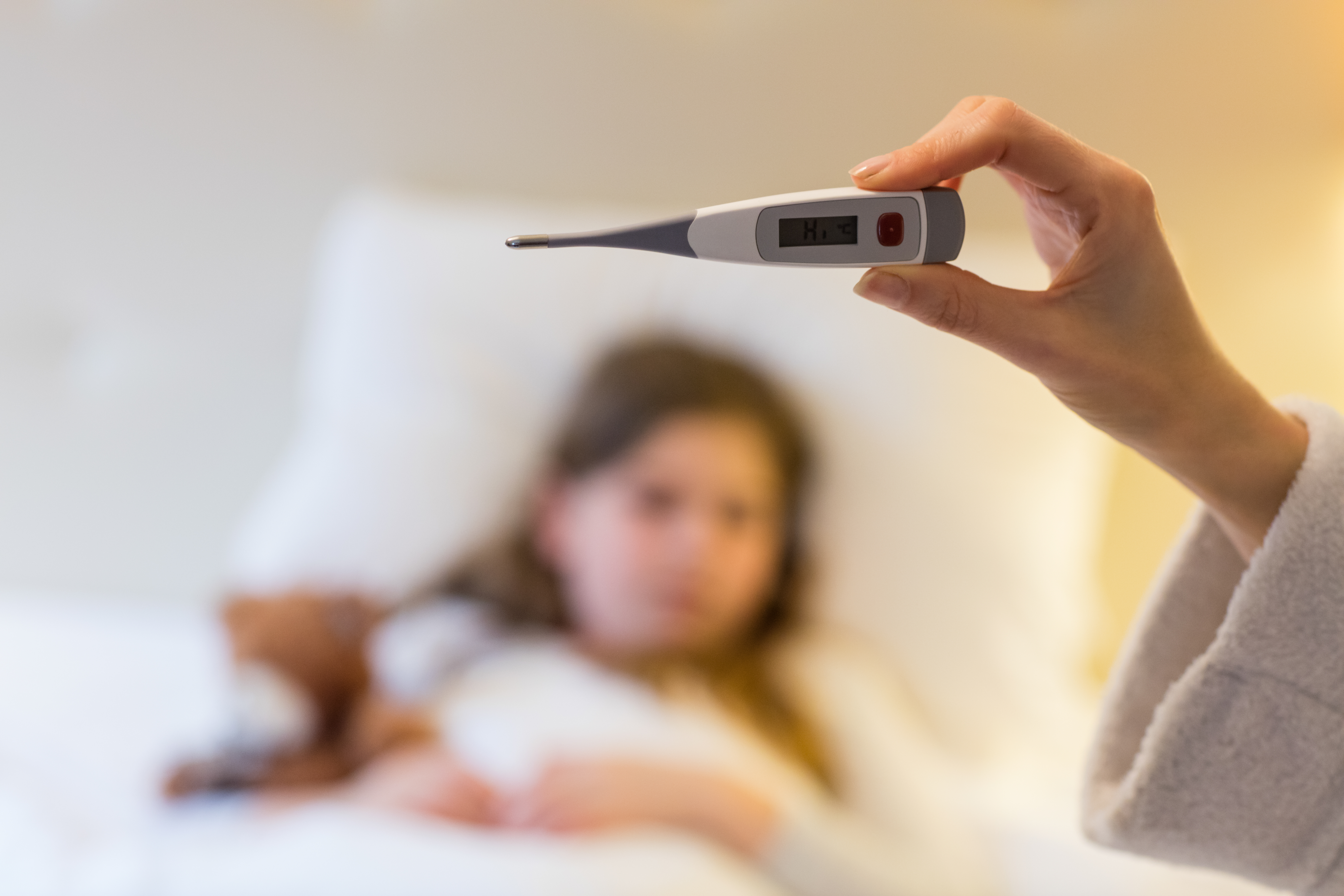
Most fevers can be managed at home. First, keep your child comfortable and dressed in light clothing. Next, offer plenty of fluids like water, clear soup, or oral rehydration solutions. This helps prevent dehydration. Encourage your child to rest as much as possible. You can use a digital thermometer to check their temperature every few hours. If your child feels uncomfortable, you may give acetaminophen or ibuprofen, but always follow the dosing instructions. Never give aspirin to children, as it can be harmful. If your child refuses to eat, do not force food. Instead, focus on keeping them hydrated.
When to See a Doctor
Sometimes, you need to seek medical help for a child’s fever. See a doctor if your child:
For parents in the US and other regions, always trust your instincts. If you feel something is wrong, contact your pediatrician.
Prevention and Healthy Habits
While you cannot prevent all fevers, healthy habits can lower the risk of infections. For example, teach your child to:
Good nutrition and enough sleep also help keep your child’s immune system strong.
Conclusion
In summary, common fever in children is usually not serious. However, knowing when to worry about fever in children is important. Watch for warning signs and seek help if needed. Most fevers can be managed at home with rest, fluids, and care. Consult a pediatrician for personalized advice if you are concerned about your child’s fever.